What it is
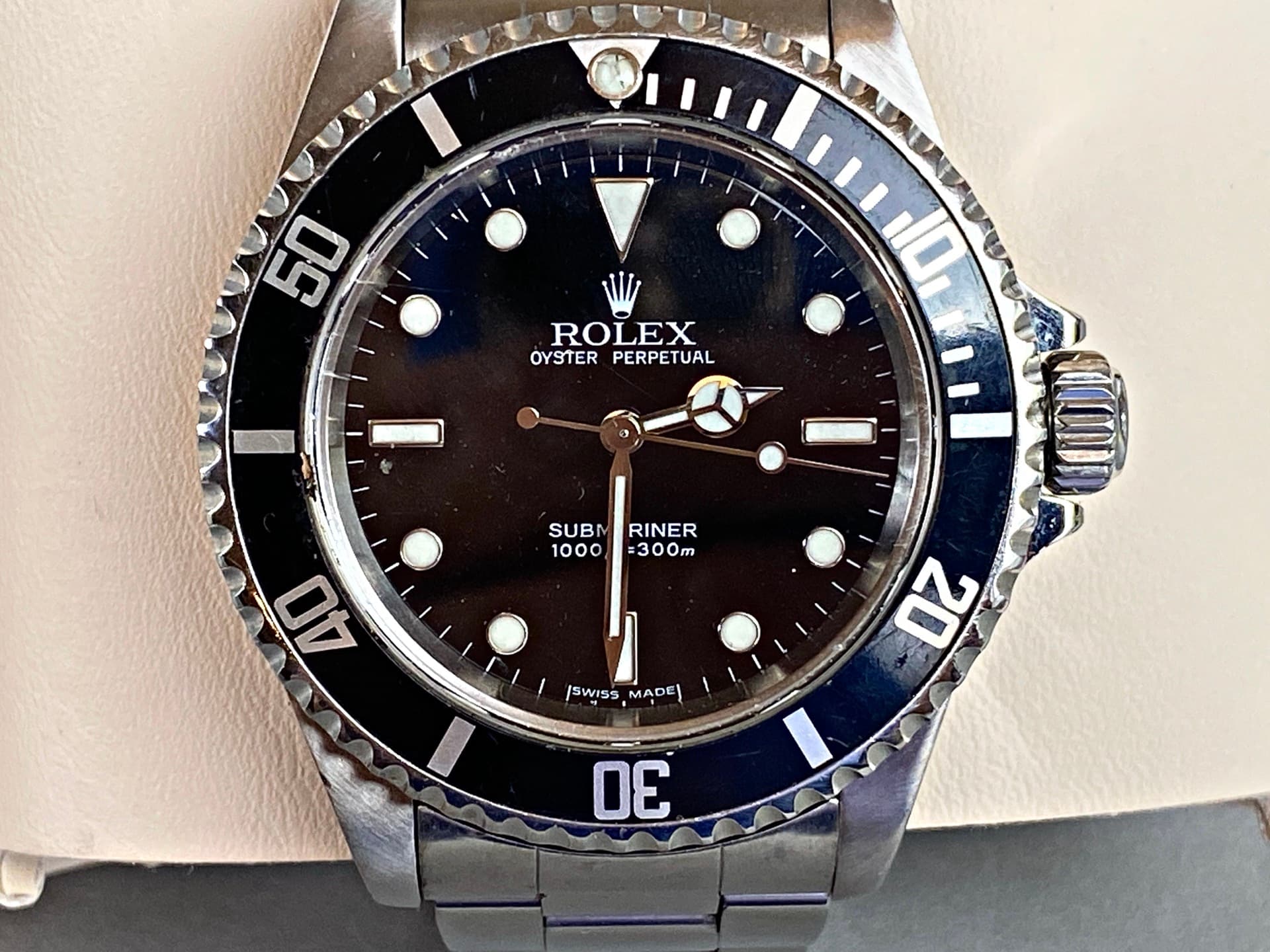
The research report opens with what the photos support: the maker, model, pattern or period, and what they leave open. Each claim points to a numbered source. If you typed a fact the photos can't show, like where a piece came from, the draft says "the seller states" instead of presenting it as found.
What similar ones sold for
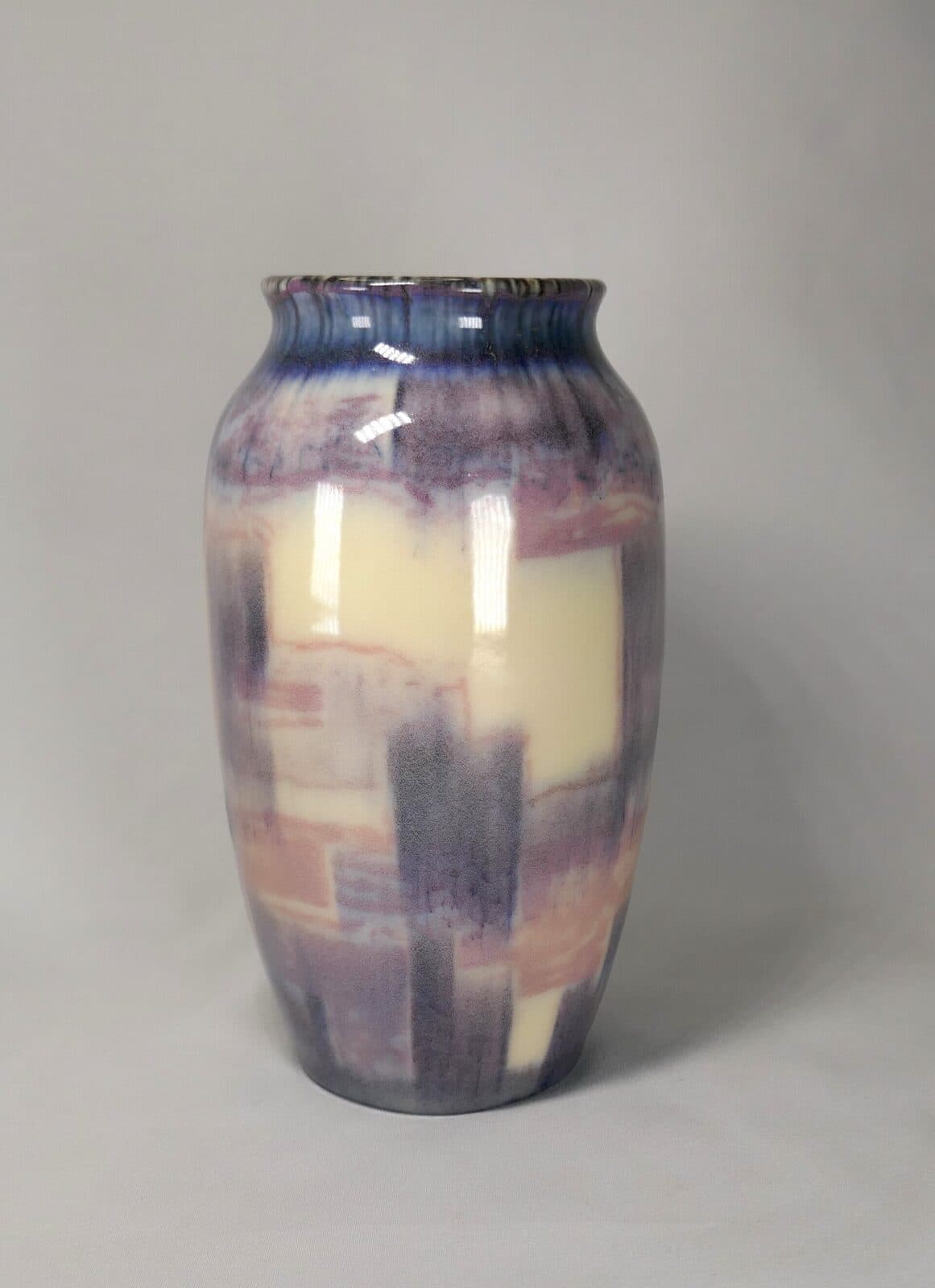
Comparable sales come with links to the listings. What moves the value picks out up to three details that change the price, with a range for each case. The Rookwood vase below has two ranges, depending on whether the decoration is confirmed as Lorinda Epply's.
Open attributions stay open
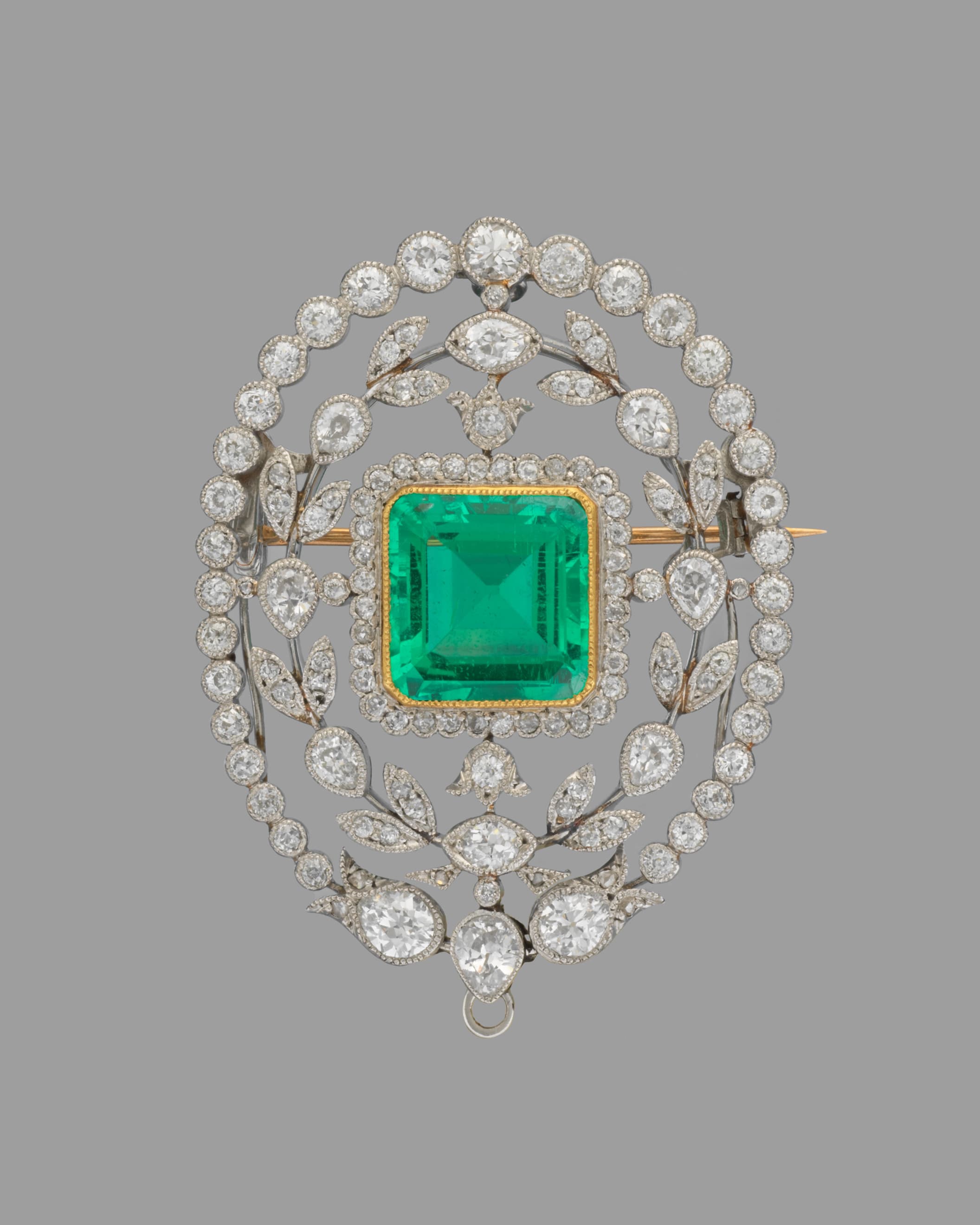
Drafts are written to say so when a maker, date or size is open, instead of filling it in. The brooch below is written up as possibly Tiffany & Co., because it is unmarked. Weak fields are marked Check this. Each field also has a confidence level, but it isn't calibrated, so read it as a pointer to where to look.
One stock list, several places to sell
The same catalog exports to an auction platform, a Shopify store, a Meta catalog or a plain Excel sheet, so nothing gets typed twice. Exports are free.
Questions
- Is the appraisal a formal valuation? No. It is an indicative figure for you to check, not a certified appraisal.
- Are the source links checked again later? No. Each link was a search result when the draft was written. Pages move, so open the ones that matter before you rely on them.